

Insights


INSIGHTS
All Topics


Why first aid preparedness in the workplace is more important than ever
St John Ambulance’s guest article shares practical advice to strengthen first aid preparedness in your charity workplace
Ask many organisations about workplace first aid, and you will probably hear about meeting legal requirements and filling in health and safety paperwork. But first aid training at work is so much more than a ticked box in a compliance checklist. It is a commitment that shows employees that their safety and wellbeing are a priority.
For charities, no two working days look the same. Your people could be in an office, a charity shop, at a fundraising event or out in the community supporting colleagues or members of the public. That’s why first aid training is so important. It gives people the confidence to act, stay calm and provide potentially lifesaving care.
Annual statistics from the Health and Safety Executive show that 1.9 million UK workers suffered from a work-related illness last year, making first aid skills more important than ever. Not everyone needs to be a medical expert, but having someone on the team with the skills and confidence to make those first few minutes count can make all the difference.
Our research at St John Ambulance shows almost half of UK workers (45%) have witnessed a colleague experience a medical emergency, and nearly one in three have needed first aid treatment at work. Despite the prevalence, many still don’t feel confident to respond in an emergency, as just two in five (40%) were able to administer first aid themself in these situations.
Looking beyond compliance
As standard, employers should carry out a basic risk assessment by looking at how many people they employ, the potential risks in their workplace and the type of work being carried out. This will help them decide what first aid equipment they need and how much of it is required to ensure the safety of their workforce.
Meeting these requirements is essential, but compliance should be the starting point rather than the end goal.
We constantly hear from people who have used their first aid training in unexpected situations. Most recently we heard from Douaa Sultan, who completed a St John Ambulance first aid course just two weeks before her father, Hussam, suffered a cardiac arrest at home.
Hussam had collapsed while gardening and Douaa came outside to find him unresponsive and not breathing. Immediately, she began CPR, her neighbour heard the cries for help and called 999. She kept him alive for around 20 minutes until paramedics arrived. Hussam has since made a full recovery.
Choosing high-quality, accredited training ensures employees learn the very latest techniques, which are evolving, and build the confidence to respond effectively when someone needs help. This is always easier said than done, so it’s important to keep everyone’s knowledge fresh by organising refresher courses every three years.
Practical steps to strengthen your workplace’s first aid preparedness
Assess your workplace risks
Take a walk through your workplace and list what could possibly cause an accident. This could be trip hazards, kitchen or electrical equipment, or whatever applies to you. Whether the risk applies to staff, the public, or both, use this to work out what kit to stock. Redo this assessment if the workplace changes.
Arrange professional training for your people
Get a good number of staff certified in first aid; how many you need depends on the size of your workplace, and your risk assessment will help you work that out. We suggest at least one first aider per 50 employees. Stay on top of refresher courses. Trained staff are more likely to act than freeze.
Get the kit and keep an eye on it
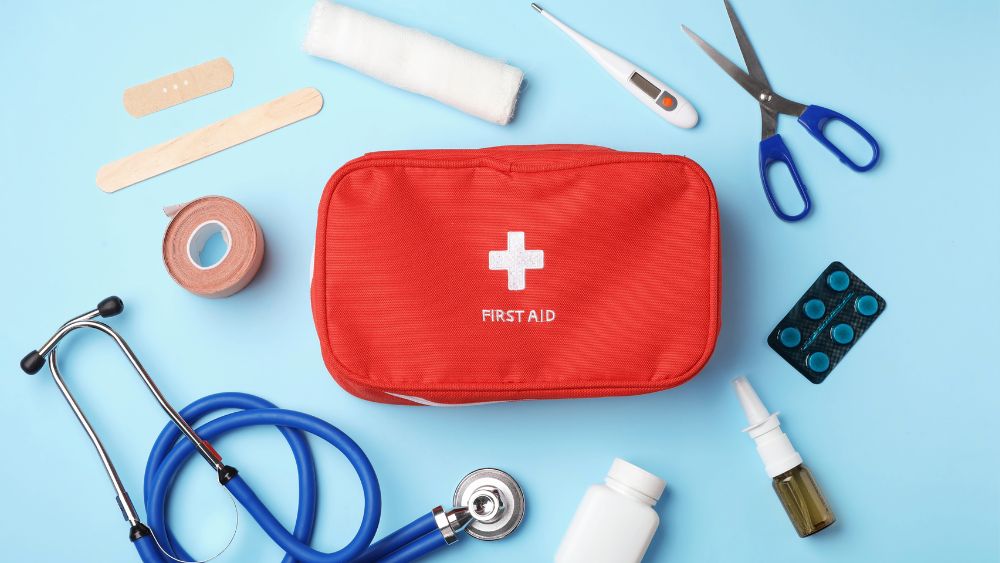
Get a first aid kit for your team and label it vividly. Announce the kit’s location to all employees and periodically remind people of its availability. Don’t forget to regularly check the stock and expiry dates of the supplies inside to ensure you aren’t counting on something that might not be there when needed.
Integrate it in the new employee onboarding process
First aid should be part of your workplace culture. Let it be one of the first things you mention in new team member inductions and bring it into conversation in company meetings or wellbeing check-ins. Knowing who your designated first aider is and where the kit is stored are vital pieces of information for all employees.
Building safer workplaces for the future
Workplace first aid training has a life-changing impact that can go beyond someone’s place of work. Giving someone the skills to step up in a medical emergency can make the difference between a full recovery and tragedy.
That’s why St John Ambulance has launched the inaugural Lifesavers at Work Awards, celebrating the everyday people who have used their first aid skills to save or change a life, whether in the workplace or beyond.
By sharing these stories, we hope to encourage more organisations to prioritise first aid training and give more people the confidence and practical skills that could one day save a colleague, loved one, or a stranger.
Do you know a real-life hero? Nominate them here:
Livesavers at Work Awards 2026
You have viewed all of your 2 free articles today
To continue reading this article
please register or subscribe

Lisa Sharman
Lisa Sharman
More on this topic



Recommended Products




20 Nov 2026by Laura Stanley
How charity finance leaders can create a compelling visionSponsored Article

Our Events





Charity Digital Academy
Our courses aim, in just three hours, to enhance soft skills and hard skills, boost your knowledge of finance and artificial intelligence, and supercharge your digital capabilities. Check out some of the incredible options by clicking here.

© 2022 Charity Digital Trust. All rights reserved



