
Insights
Training
On-demand



You are viewing 1 of your 2 free articles
We take a look at how charities can minimise the harmful environmental effects of unwanted electronic equipment


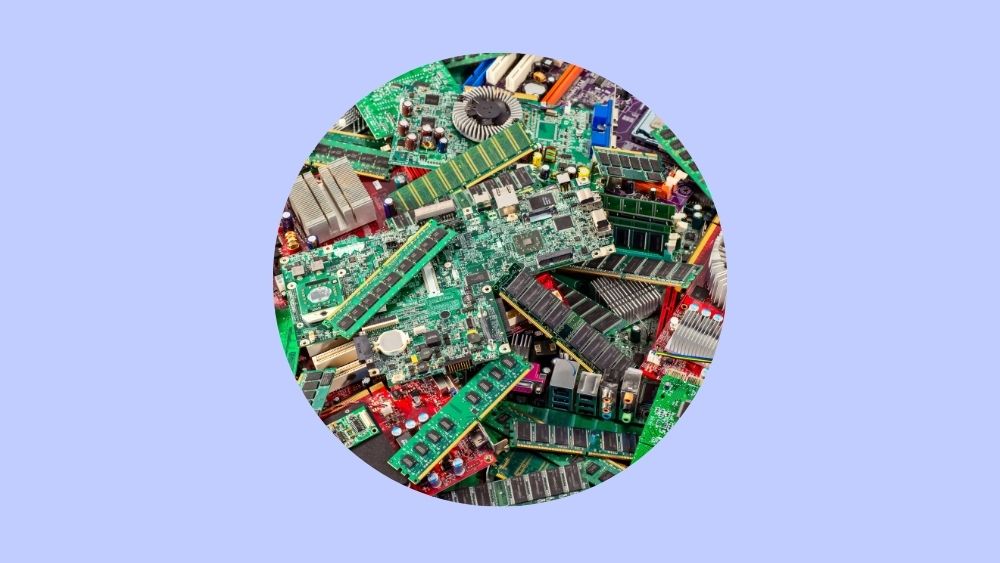
Organisations of all sizes – including charities – contribute to climate change and pollution of the environment. That’s in part because it’s so difficult to avoid producing e-waste.
E-waste, which is short for electronic waste, is made up of discarded electronic devices that are no longer useful or functional. These can include televisions and other domestic appliances, but charities are more likely to generate e-waste in the form of old smartphones, laptops, and desktop computers.
These electronic devices often contain hazardous materials like lead, mercury, and cadmium, and they can be extremely harmful to the environment – and hazardous to the health of humans and wildlife if not disposed of properly.
That’s because if placed in landfill, the hazardous materials they contain can leach into the soil and groundwater, polluting nearby water sources. Incineration is dangerous too, because it can release toxic chemicals into the air, contributing to air pollution and respiratory illnesses.
But that’s only part of of the story. Every time your charity disposes of an obsolete smartphone, laptop, or desktop computer, the chances are that it will have to be replaced. And producing these electronic items entails generating large amounts of carbon dioxide, contributing to climate change. As a rule of thumb, every tonne of electronic goods produced entails about a tonne of harmful carbon dioxide emissions.
The first thing to consider is whether the electronic goods your charity no longer wants could actually be put to use by someone else.
This is important because if your electronic goods can be sold or given to someone else to use instead of becoming e-waste, then all the pollution risks are avoided in one fell swoop. What’s more, when a phone or computer is handed to someone else to use, it means that fewer new ones have to be manufactured – with a resulting reduction in the amount of carbon dioxide emissions produced.
The good news is that it’s not hard to get rid of old electronics, and that’s because there are a significant number of charities and other organisations which will take your computers and other electronic goods and find new homes for them, both in the UK or other parts of the world. They may be offered free, or in many cases they are sold with the proceeds being donated to local charities.
Many of these will collect from your charity’s premises. They include:
WeeeCharity collects electronic goods and resells or recycles them
Reuse Network collects unwanted goods including IT equipment and resells it at low cost through a network of charity shops
Good Things Foundation’s National Device Bank refurbishes equipment and provides it free to community organisations
Computers 4 Good donates unwanted laptops, computers and other IT equipment to charities
ComputerAid supplies very low cost refurbished IT for non-profits
Inevitably, electronic goods come to the end of their useful life eventually and need to be disposed of responsibly. The best way to do that is to ensure that they are taken somewhere where their constituent parts – including the metals, plastics, and rare substances such as cobalt and lithium – can be retrieved and recycled.
When rare substances are recycled, it reduces the need for mining and the destruction of the environment that this can entail. It also means that fewer resources have to be transported around the world to manufacturing sites.
This can lead to a significant reduction in carbon dioxide emissions that would otherwise have taken place to produce these metals, plastics, and other substances. In fact carbon dioxide environmental consulting firm CO2logic has carried out research that suggests that for every ton of e-waste collected and recycled, 1.44 tonnes of carbon dioxide emissions are avoided.
Many of the organisations listed above can also arrange for electronic goods to be recycled. You can also find a list of more organisations that provide electronics recycling services at IT for Charities.
Most of these organisations that accept e-waste or distribute refurbished equipment also offer a service to wipe all data from computer and smartphone storage devices. However, your charity should consider ensuring that all data is removed from its electronic devices before disposing of them, and that any refurbished devices it acquires are “sanitised” to ensure that they have no malicious software on them and are safe to use.
Follow-up questions for CAI
How can charities extend the life of electronic devices?What are the best practices for securely wiping data from devices?Which organisations refurbish electronics for charities?What are the benefits of recycling digital technology?What steps ensure safe disposal of hazardous materials in e-waste?




Our courses aim, in just three hours, to enhance soft skills and hard skills, boost your knowledge of finance and artificial intelligence, and supercharge your digital capabilities. Check out some of the incredible options by clicking here.

© 2022 Charity Digital Trust. All rights reserved