Insights
Training
On-demand



You are viewing 1 of your 2 free articles
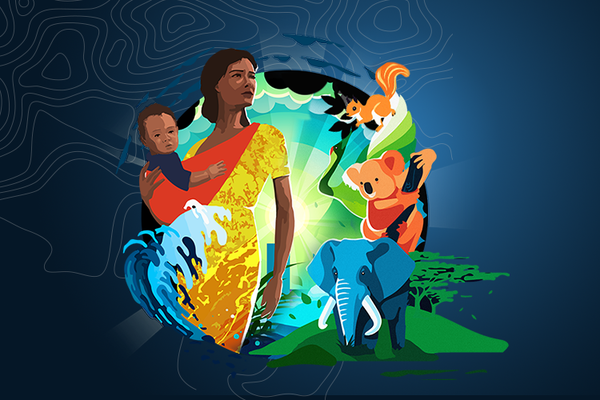
We reveal how charities can liven up their video content through animation




For more than a century animation has been a vital part of popular culture, across TV screens, in cinemas, and in advertising.
Through 20th century animation, pioneers such as French cartoonist Emile Cohl through to the popularity of Walt Disney’s Mickey Mouse and the digital innovations of the Pixar and Dreamworks studios, there looks to be no end in sight to the medium’s appeal.
But with cost-effective options now widely available this artform is no longer the exclusive domain of movie studios. Charities and others can now easily create their own engaging animation to promote their work and attract new supporters.
This could be through 2D animation, 3D, or stop-motion animation involving puppets and sets, such as the Wallace and Gromit films by Aardman Studios.
Here we look at the benefits for charities, how animation can be created, the tools available, and the outsourcing options available.
According to recent research more than half of a brand’s supporters will engage more readily after watching video on social media.
The speed of the moving image helps cement charities’ mission into people’s minds. Animation is also perfect for short engaging clips from a charity on social media. Benefits include:
Eye-catching animation can make a memorable impression on viewers and encourage long-term giving.
Animation is highly visual and easy to understand, with complex messages easily conveyed through short, snappy text and animated characters to explain a charity’s mission and impact. This in turn can boost the likelihood of supporters giving.
The cost-effective nature of animation can be vital for small charities looking to carry out engaging video marketing on a shoestring.
Irrespective of the platform or online tool used, there are some common themes across all production of animation. These are as follows.
The first process of making an animated film is to create a story. No matter how good animation looks, if the dialogue, characters, and plot is poor, then it will fail to engage viewers.
The visual style of the animation is important to conveying different messages. Make sure you pick a style that fits the message. For example, a film about serious issues around abuse or homelessness may require a darker, more sombre style.
This is a vital part of the animation process it allows a charity to look at the story, pacing of scenes and dialogue. It can be seen as a comic book version of the final film.
The next stage is to create a moving version of the story board to show what the final film may look like. This is a rough sketch before extra ‘assets’ are added.
This is where the final film begins to take shape, with assets such as characters, backgrounds and props added. For 3D animation charities are advised to create a pre-visualisation of scenes, so that cameras and props are in the right places before filming.
Once the vital prep work is carried out charities can begin filming. This is where the characters move across sets, and music and dialogue is added.
This is where digital tools are used to improve aspects of the film, such as lighting and texturing. Scenes can also be edited and colours corrected.
A key part of post-production is to ensure the whole film looks the same throughout. Another is to ensure music and sound effects used are mixed at the right levels.
There is a range of software available for charities to create their own animation.
A subscription to an Adobe Create Cloud All Apps plan (£54.29 a month) includes use of three useful tools for creation animation.
Adobe’s Character Animator tool allows charities to use a webcam and microphone with motion capture technology to animate characters, including lip syncing.
The Animate tool, formerly Flash Professional, allows users to create high quality graphics that are scalable and reusable for cartoons, games and interactive content.
Meanwhile the After Affects tool allows users to create effects, add text and import characters.
Another similarly priced animation tool is Cinema 4D (£49.24 a month). This 3D animation software can be integrated with Adobe and includes a range of animation tools such as simulating realistic cloth and turning pictures into a 3D model.
There is also a raft of free animation software available, including the open source Blender, programme, with features including effects, editing and motion tracking.
Alternatively, charities can hire in outside expertise to create eye-catching animations. This is ideal for charities looking to create professional animations if inhouse teams do not feel confident yet in creating their own content.
It can be expensive, but costs can be saved by outsourcing to companies based in Eastern Europe.
In addition, an animation specialist freelancer can be brought in. These can be found through platforms such as Fiverr or Bark.
The average cost to hire an animation studio in the US is around £123 an hour, meanwhile the Western Europe and Asia average is £82 an hour. Studios in Eastern Europe, including Poland, can be as little as £41 an hour.
Depending on the complexity of the project hiring outside expertise can cost between £1,500 and £21,000.
Follow-up questions for CAI
How can animation increase supporter engagement for charities on social media?What are the key steps in producing effective animated content for charities?Which animation software tools are most cost-effective for small charities?How does outsourcing animation production impact charity marketing budgets?What animation styles best convey serious social issues for charities?




Our courses aim, in just three hours, to enhance soft skills and hard skills, boost your knowledge of finance and artificial intelligence, and supercharge your digital capabilities. Check out some of the incredible options by clicking here.

© 2022 Charity Digital Trust. All rights reserved