Insights
Training
On-demand



You are viewing 1 of your 2 free articles
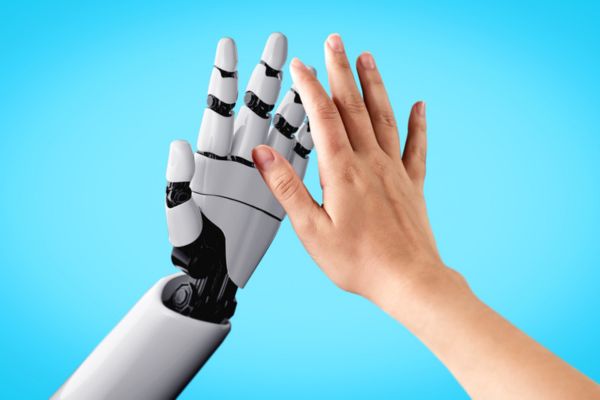
We look at the role of empathy in the workplace and whether artificial intelligence is undermining it


 AI and the empathy crisisThe empathy crisisArtificial intelligence and empathy
 What do we mean by empathy? It’s about “showing people that you understand them and care how they feel”. Studies show that people aren’t as empathetic towards each other as they used to be. This is known as the “empathy crisis”.
In 2018, the Scout Association surveyed 2,000 British adults about empathy. Over half (51%) said they felt there was less empathy in UK society – compared to the previous 12 months. With more people going online to interact with each other and technology use increasing, Canadian social psychologist Sarah Konrath says there are fewer opportunities for “empathetic interactions” and “authentic human connection”.
One of the key traits a leader needs is empathy. Being able to feel and understand other people’s emotions will help CEOs work more effectively with their staff.
When a leader shows empathy, employees feel more valued, better understood, and cared for. This builds trust and loyalty in the workplace.
As a result, employee morale will increase, as will retention and productivity – all of which will help a charity to work towards its mission and goals.
If you don’t have empathy in the workplace, it can be damaging for the wellbeing of staff and an organisation’s work.
Stanford psychologist Jamil Zaki says that AI is creating an “empathy gap” between leaders and their teams. Many people “feel apprehensive about AI” – especially generation Z who say AI will threaten their jobs.
At times of uncertainty – like the uncertainty surrounding AI – there’s an even greater need for empathy in the workplace, but many employees aren’t experiencing this.
Zaki explains that more than 80% of workers say AI will make human connection more important but only 65% of managers agree. This disconnect could damage workplace culture, he says.
There are benefits and drawbacks to using AI in the workplace, but can it increase empathy and compassion for staff? Research suggests that people prefer empathy that seems to come from another person, not AI.
A study involving more than 6,000 participants looked at how people perceive empathic responses labelled as human- or AI-generated. Even though all answers were AI-generated, participants valued empathy more when they thought answers came from a human.
This shows that AI is not a replacement for human connection and empathy. In some cases, AI can be helpful in supporting employees. For example, after the pandemic, Citizens Advice built an AI-powered assistant to improve client response times and take the strain off its supervisors. There were a number of trainee advisers recruited to the charity at the time, which was putting pressure on supervisors who had to check and validate responses before they could be sent to clients.
The AI assistant took information from GOV.UK and the charity’s own website to produce responses for clients.
One of the keys ways to show empathy is by actively listening to someone. This helps a person to really understand what someone else is going through.
Active listening means being fully present so you can really listen to someone. It also involves making eye contact and using non-verbal communication, such as nodding your head to encourage someone to continue speaking. You can the Charity Digital article on the importance of active listening and how to practise it.
Leaders should put themselves in the shoes of team members, so they can understand what is going on for them. For instance, before making a decision that could have a negative effect on staff, CEOs should think about it from their colleagues’ perspectives.
This includes:
Other ways for leaders to show empathy are to promote a good life-work balance in the organisation. Policies that encroach on personal time or reduce flexibility will frustrate staff. They are likely to become disengaged and less productive in the workplace.
Zaki says that leaders need to practice “sustainable empathy” to avoid burning out. He explains that leaders can use a lot of energy being empathetic.
To make sure leaders don’t burn out, Zaki says they should practice self-care and look after themselves. Evidence shows that if a leader treats themselves with the same care they would show a loved one, they can be there for other people in a more sustainable way. When you look after yourself, you have more energy to give others.
Follow-up questions for CAI
How can leaders effectively practice sustainable empathy without burning out?What role does active listening play in enhancing workplace empathy?How might AI tools support but not replace human empathy in organizations?In what ways can empathy improve employee retention and productivity?How can leaders balance AI integration with maintaining authentic human connection?





Our courses aim, in just three hours, to enhance soft skills and hard skills, boost your knowledge of finance and artificial intelligence, and supercharge your digital capabilities. Check out some of the incredible options by clicking here.

© 2022 Charity Digital Trust. All rights reserved