Insights
Training
On-demand



You are viewing 1 of your 2 free articles
Learn how to preserve your most precious assets


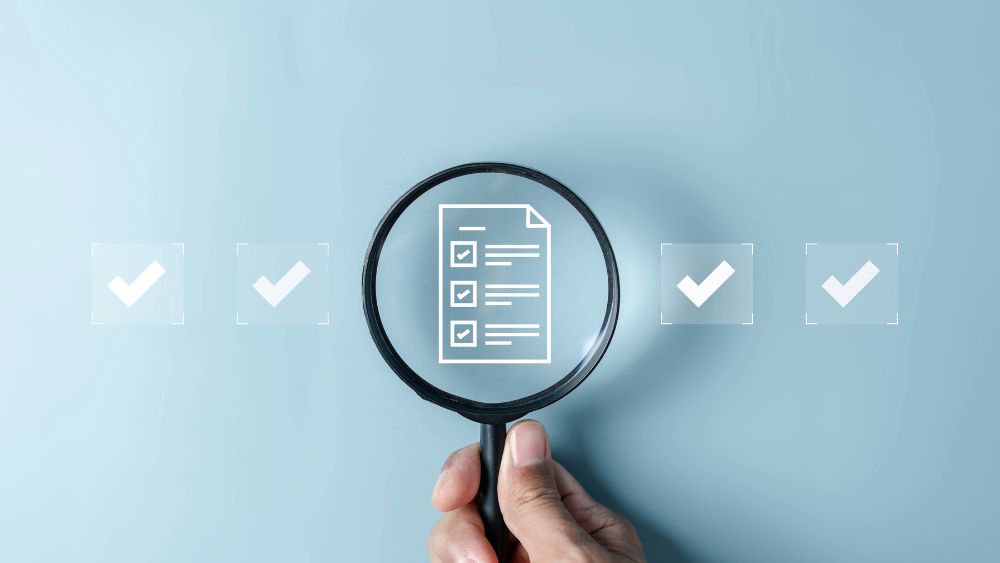 A brief guide to the digital archiveA brief guide to adigital archiveA guide to the digital archive
Rooting around files and the cloud for logos, photos, and images of previous digital campaigns is probably one of the most annoying tasks. You might even find yourself having to reach out to past staff members or even the charity’s audiences for older content.
The preservation of collateral as part of a digital marketing strategy makes sense for charities of all sizes.
A digital archive serves to preserve, update, and maintain assets over the course of time. In this article, we’ll go over the archive in more detail and how it can be used to safeguard precious media.
A digital archive is typically comprised of two types of assets. The first are those materials that were once physical and are then digitised and categorised. The second are digital-born files. These are materials that have always been digital.
The importance of preservation isn’t lost on the Digital Preservation Coalition. They say that “Preserving this digital record has the potential to enrich our lives, to advance science, to support the economy, to underpin democracy and hold politicians to account, and to ensure our personal digital lives can be passed on to the next generation.”
There are also practical reasons to start a digital archive. Setting up a digital archive make sense to avoid the duplication of work, to save on reproduction costs, and in some cases, may also help you preserve intellectual property.
Digital archiving is clearly related to digital asset management (DAM). Archiving refers to the process of preservation, whereas a DAM system is a platform which preserves, stores, and organises media.
A DAM system is a centralised place for people across the organisation to access current media assets, says IBM. The benefits can be reaped at large. For example, when assets are stored in this manner, the digital look and feel of the brand is likely to be more cohesive as everyone is using the same version. There’s only one version for marketing assets – one high spec logo, one format for specific media posts, and so on.
A library sorts books by theme and by alphabet. It’s easily understood by everyone in what area a particular book might be found in. In contrast, a DAM system lets the archivist set the rules.
But setting up new rules means customising and creating clear structures. A few suggestions might get the creativity flowing:
With the archival system determined, the search goes on for a platform. DAM systems work well for organisations that are consistently producing online materials or for those that want to preserve physical assets. Here are the top systems we’ve reviewed:
Considered one of the gold standards, Bynder is a professional, AI-powered DAM system. The homepage is customisable for charity brands, showing an overview of all the assets housed.
Classifying the data is easy. When you move to upload (drag-and-drop is available), users can then fill in required fields, including tags and what the media might be used for.
Top tip: The platform can detect identical files, so there’s only one source of truth.
Billed as a low-cost solution, Filecamp is suitable for charities of all shapes and sizes. The platform stores files based on permissions and tags.
With permissions, administrators may limit users to certain files, themes, or branding. Collaboration between internal and external partners is also possible. Platform users can send links for file upload or download.
Top tip: Pricing and plans are cost effective. There’s also a free 30-day trial period.
The most technical out of the three options, OpenText combines asset management with governance. Going back to archival sorting options, OpenText allows owners to “build-your-own-template” of tags.
Charities can implement their own logic, tag assets, and even link files together. Access rights are included. The search functionality is AI-powered, allowing for intuitive workflows.
Top tip: This is for organisations to use at scale.
Follow-up questions for CAI
How does a digital archive prevent duplication of marketing assets?What are key features to organise files in a digital asset management system?How can charities benefit from AI-powered digital asset management platforms?What criteria determine which media files should be archived in a DAM system?How do access permissions improve collaboration in digital asset management?




Our courses aim, in just three hours, to enhance soft skills and hard skills, boost your knowledge of finance and artificial intelligence, and supercharge your digital capabilities. Check out some of the incredible options by clicking here.

© 2022 Charity Digital Trust. All rights reserved