Insights
Training
On-demand



Our campaign encourages charities to cautiously explore AI, keeping the risks front of mind



The best version of the future looks the same for many of us in society, when we stop to think about it. We focus on the emotions, the colours, the people. We see green trees and blue skies, birds singing, and people talking happily, enjoying the fresh air. Though it may sound cliché, for many of us, it is the simple things that we value the most: our safety, our community, and our peace of mind. We want to feel hopeful and happy. We want to feel alive.
In this future, digital technology could help us experience life richly, assisting our health, our relationships, even our sense of fulfilment and the achievement of our personal potential. It could help everyone equally, in our diversity, in our gloriously messy humanity.
But the best version of the future requires the best from humanity. It requires us to become conscious about the world we are building – and to choose to strive for better every single day. That includes how we use, and respond to, digital technology.
That’s why, in 2026, Charity Digital is launching its Conscious AI campaign, helping charities to adopt an ethical approach to artificial intelligence (AI) and forge a better future for our communities.
Check out our Conscious AI hub
As we begin the year, we have clear choices to make when it comes to the future, and how digital technology, including AI, fits into that future.
In autumn of last year, the inventor of the world wide web, Tim Berners-Lee, wrote, “Somewhere between my original vision for web 1.0 and the rise of social media as part of web 2.0, we took the wrong path. We’re now at a new crossroads, one where we must decide if AI will be used for the betterment or to the detriment of society.”
The risks of AI are already materialising: inequality through biased decision making, malicious uses through online abuse and cyber-attacks, misinformation leading to erosion of trust in democratic institutions, risks to mental health, and environmental threats to the preservation of a liveable planet. These are unlikely to feature in most people’s visions for a better, happier, healthier world.
Most people are set against these realities taking ground. But in practice, the risks can fall out of frame. AI is often convenient, friendly, and obliging. It promises efficiency and therefore savings. To many, it feels like it’s been plucked out of the pages of a thrilling, far-flung sci-fi novel.
In the charity sector, AI presents that same cognitive dissonance. While 76% of charities are using AI technologies, according to the ‘Charity Digital Skills Report 2025’, 62% are excited about the possibilities of using AI – and 60% are worried.
These statistics reflect the larger societal trend of polarising narratives around AI, which, in the absence of robust AI literacy, can lead charities, and the people they serve, to feel they can’t set their own terms for its deployment and regulation – even as AI increasingly influences the decisions that affect our daily lives.
But being not-for-profit gives charities a strength of our own. It enables us to put our communities first: we advocate, support, and rally behind people and causes that are otherwise unrepresented. Charities are the “eyes, ears, and conscience of society”. And now, our role in upholding the health of society is more important than ever. That’s why charities must hold our values close and work closely in collaboration with the public, our service users.
Our Conscious AI campaign will help charities ethically choose when and how to use AI and strive to help the sector have a bigger voice in the future of AI for the good of all. The campaign will cover topics such as:
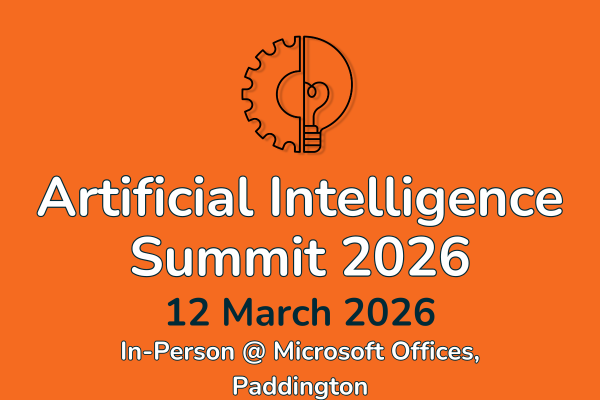
Our campaign will involve articles, webinars, podcasts, videos, masterclasses, academy sessions, and events. We will be hosting our second AI Summit in March, and you can explore our existing materials on Conscious AI by following the link below.






Our courses aim, in just three hours, to enhance soft skills and hard skills, boost your knowledge of finance and artificial intelligence, and supercharge your digital capabilities. Check out some of the incredible options by clicking here.

© 2022 Charity Digital Trust. All rights reserved